CLOTHING KNOWLEDGE · WINTER CLOTHING
Down Jacket Specifications: Fill Power, Fill Weight & Shell Claims
Decode down-jacket specifications by separating fill power, fill quantity, garment weight, parcel measurements and shell-protection claims.
- Insulation data
- Type, fill power and fill weight
- Weather data
- Shell, seams and closures
- Fit consideration
- Room for your intended layers
- Useful for
- Puffers and everyday outerwear
The key idea
Read each number with its label and unit. Fill power, fill weight, total garment weight and parcel weight describe different things and cannot substitute for one another.
Using the photo reference
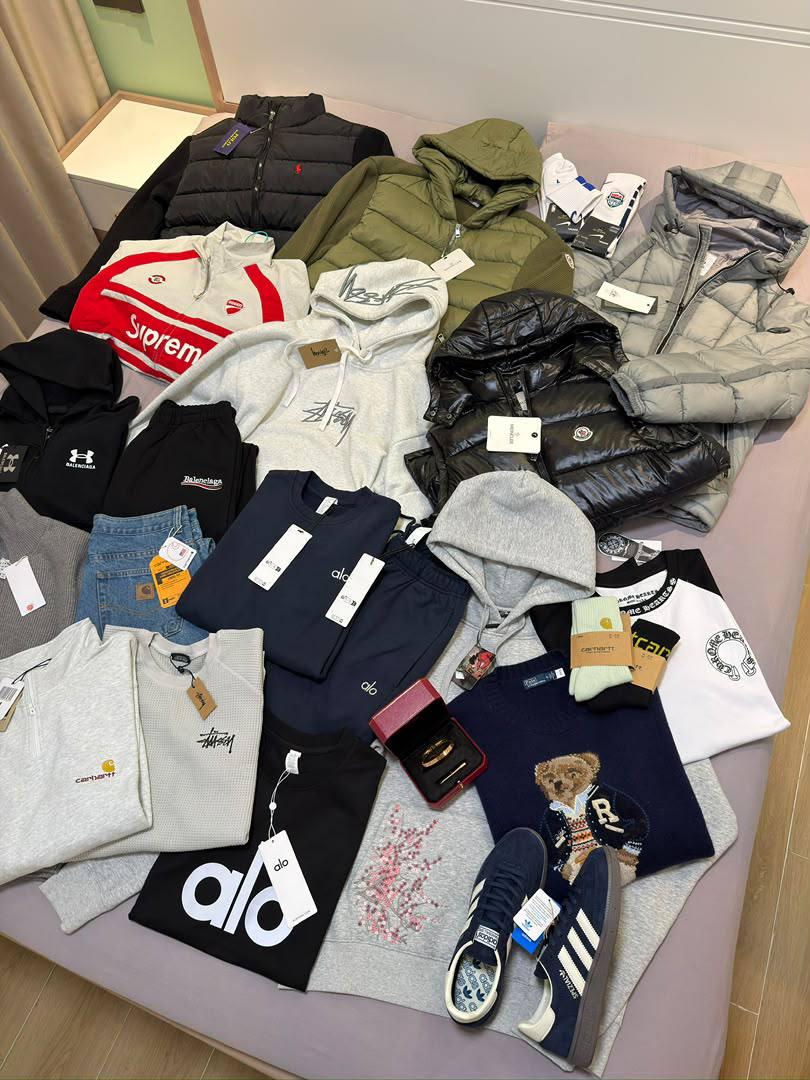
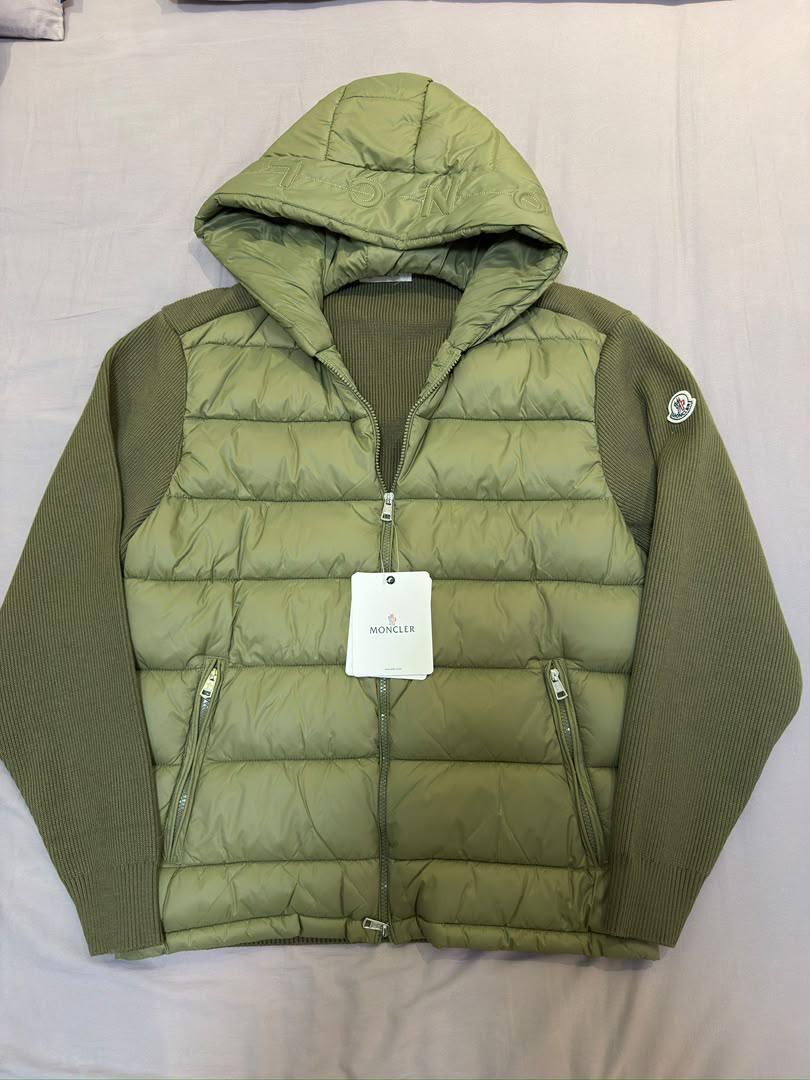
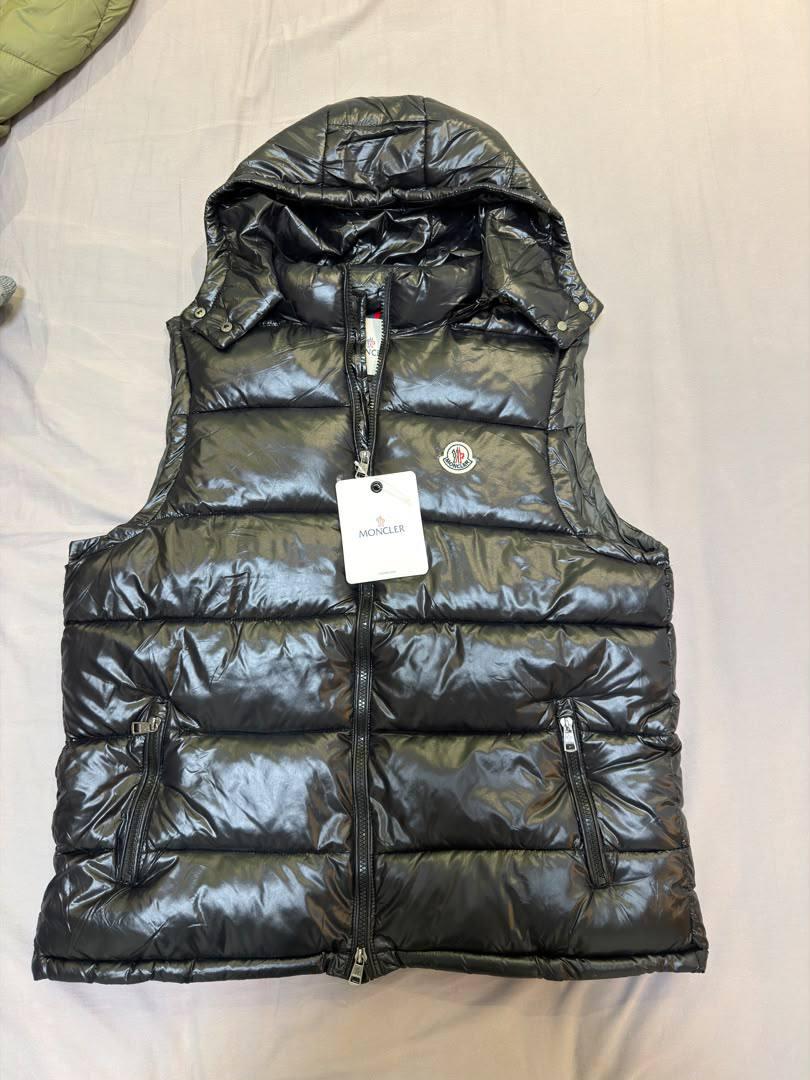
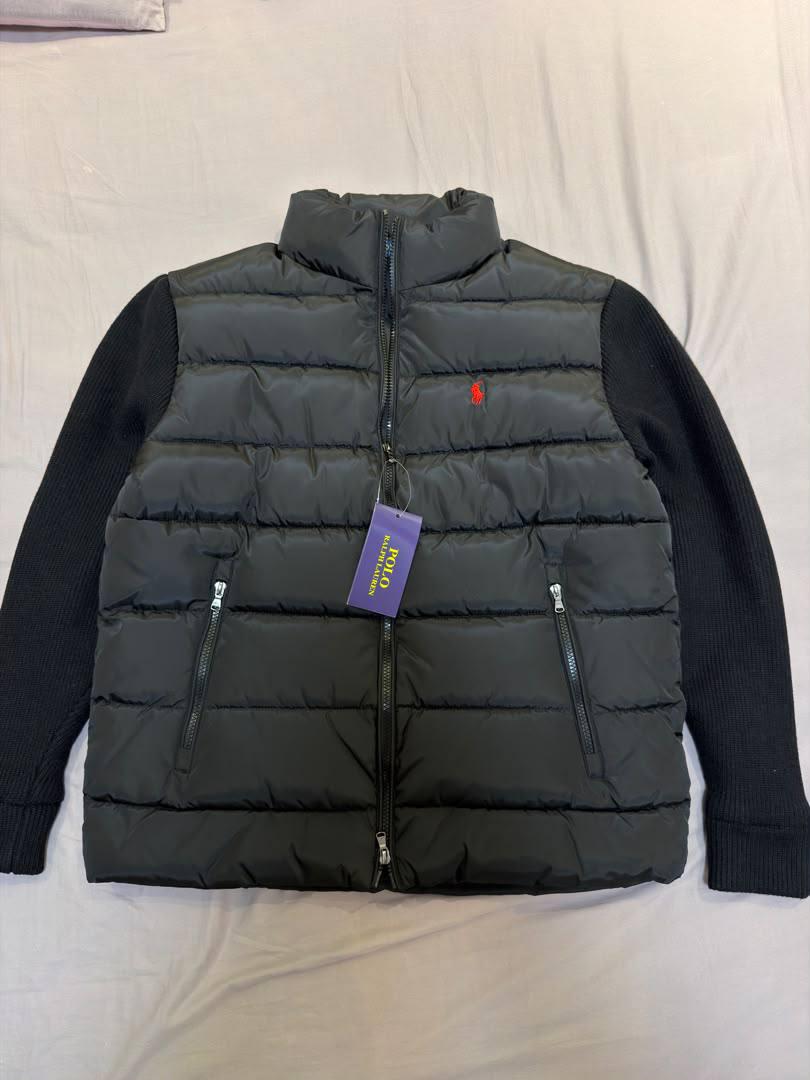
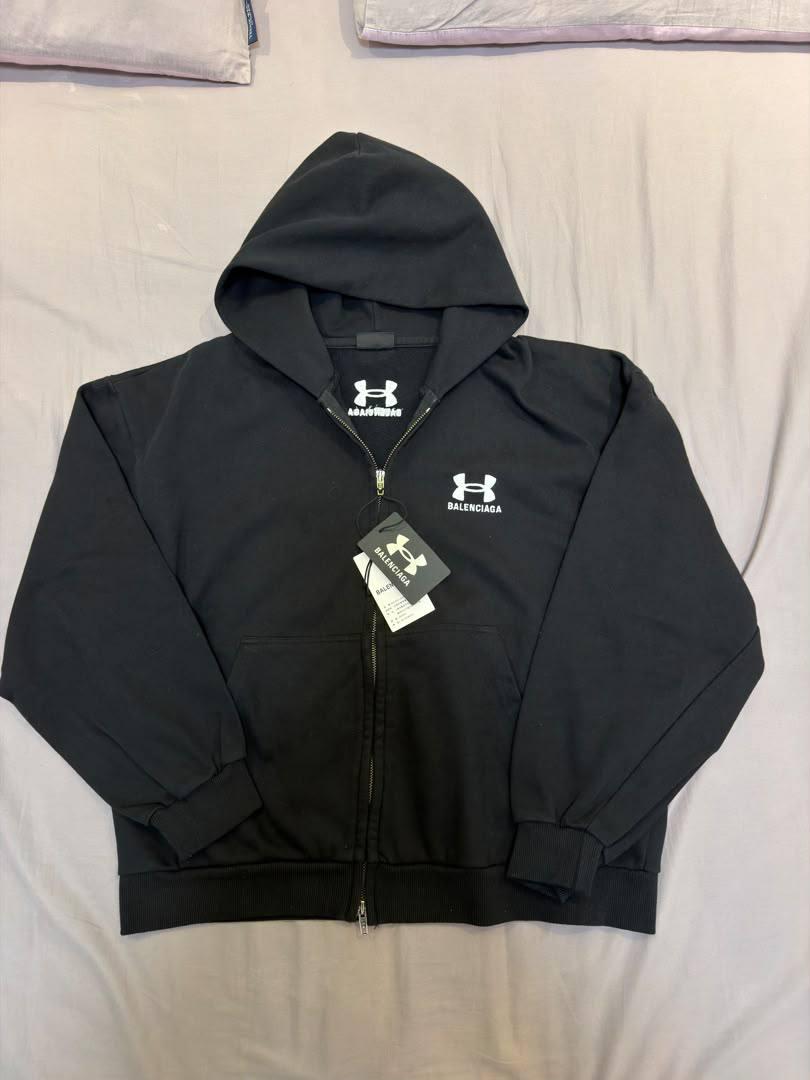
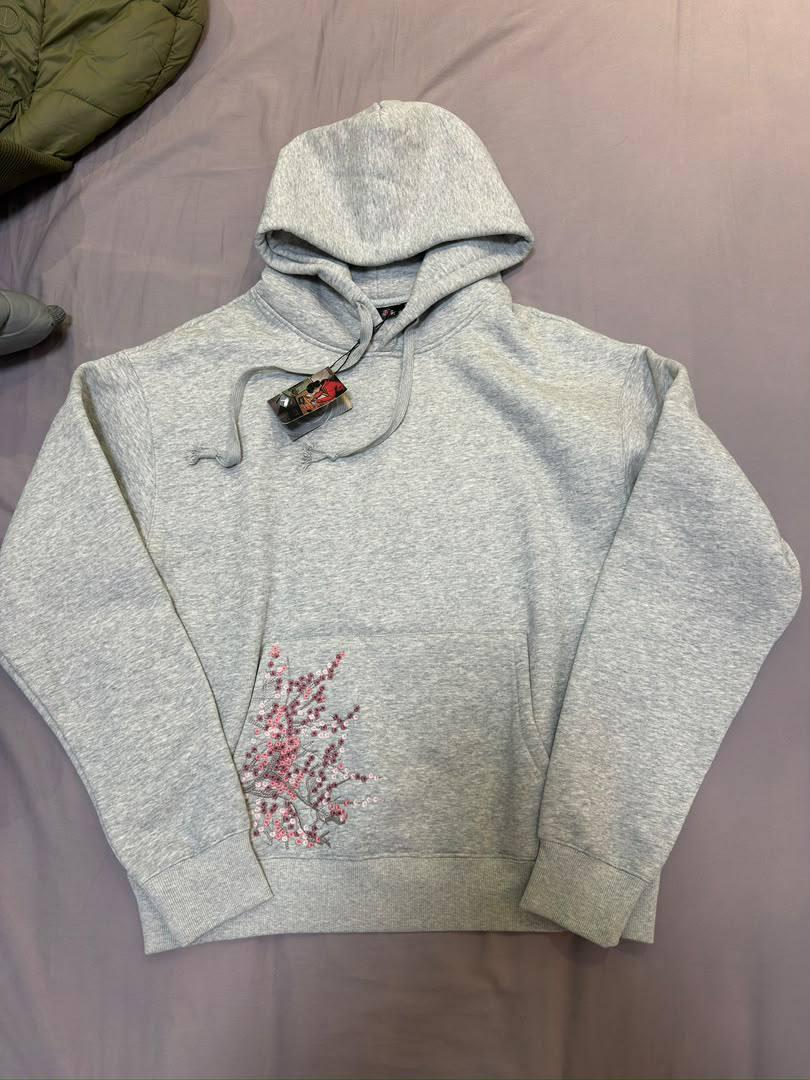
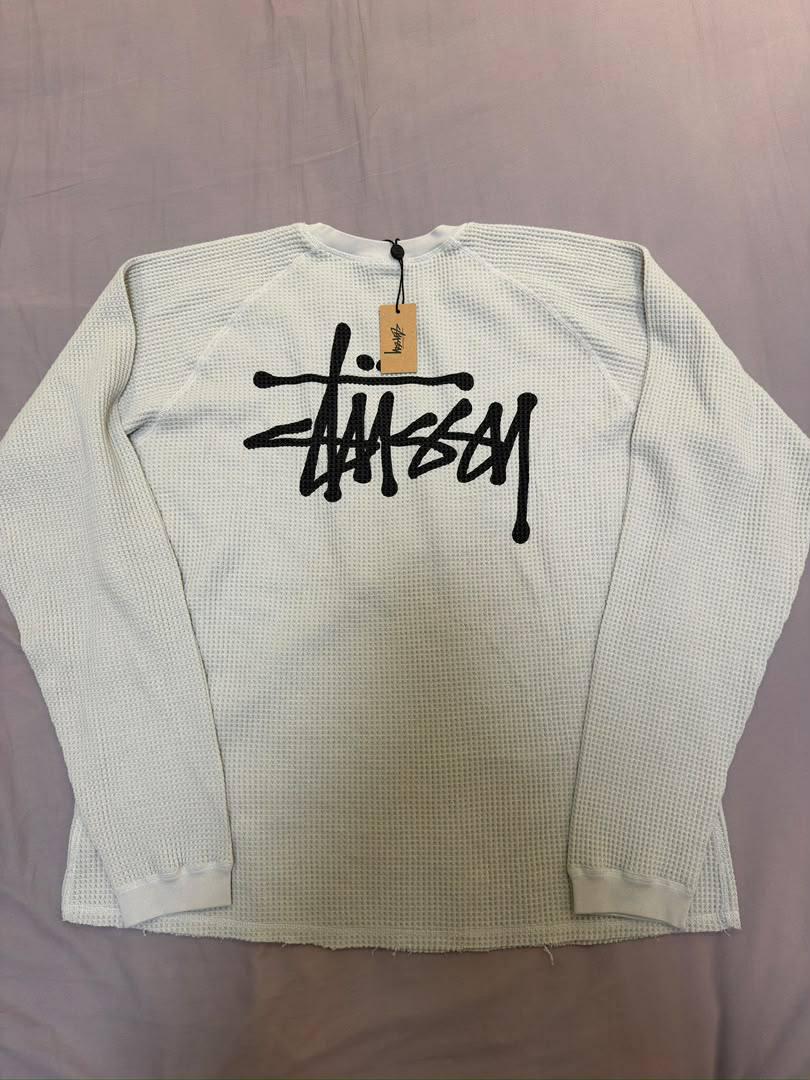
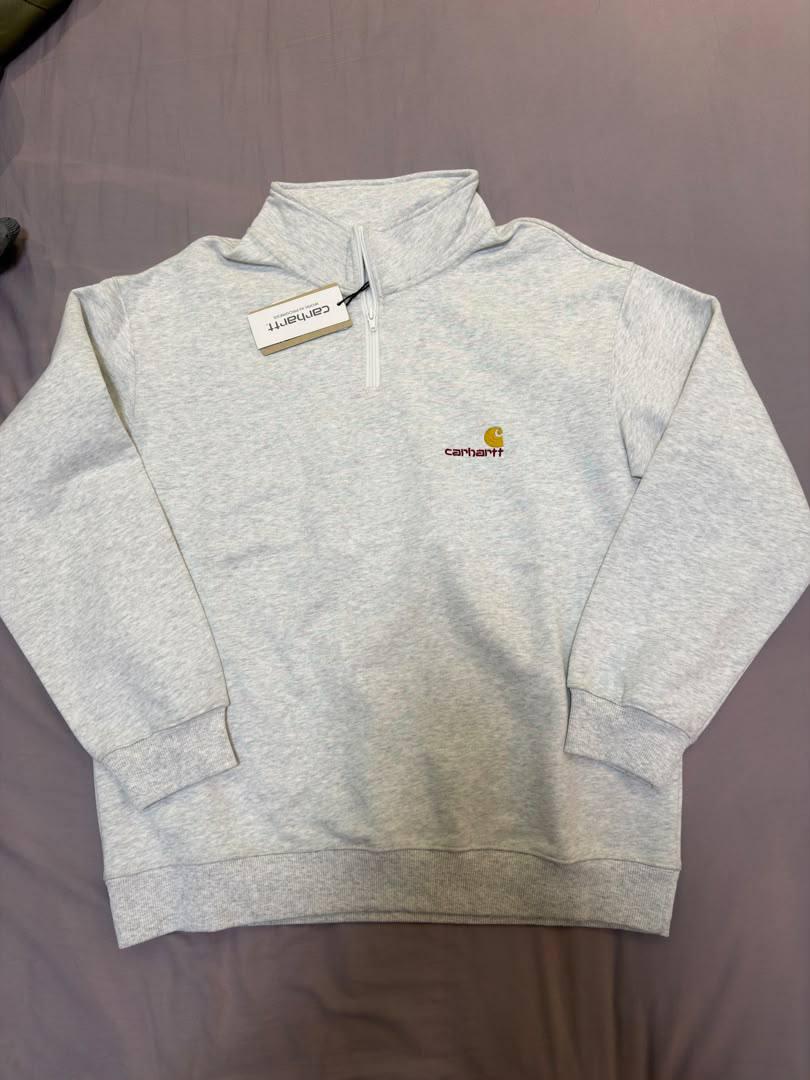
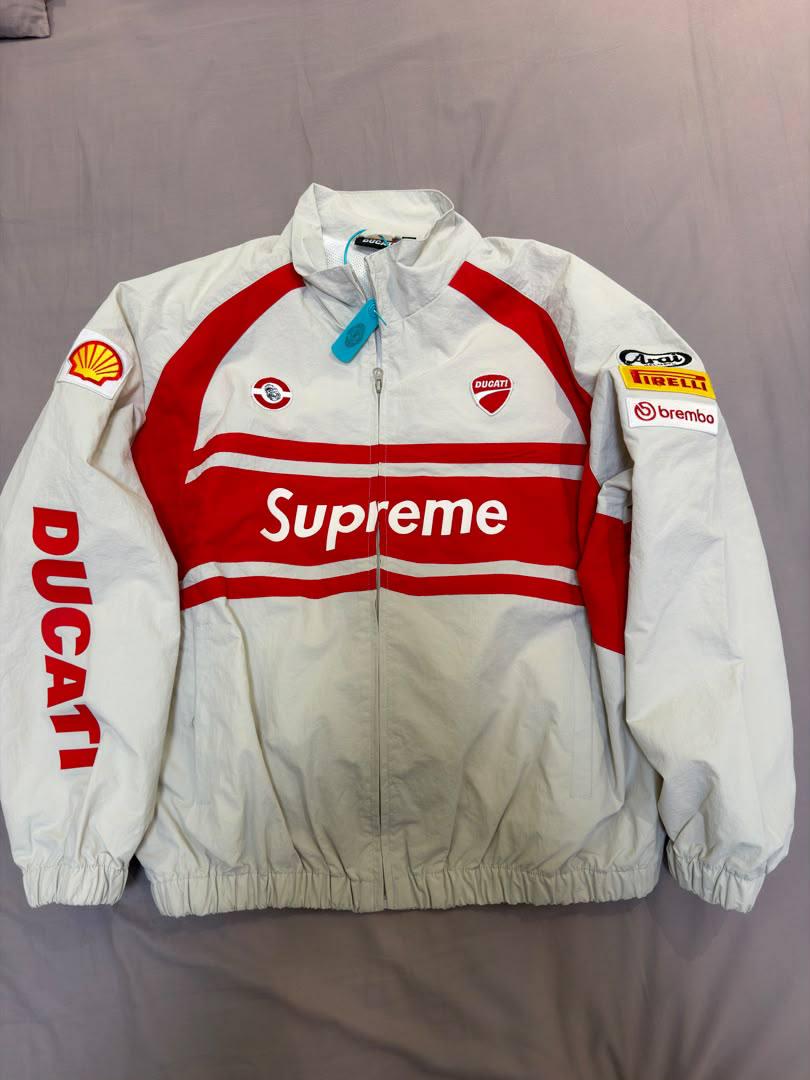
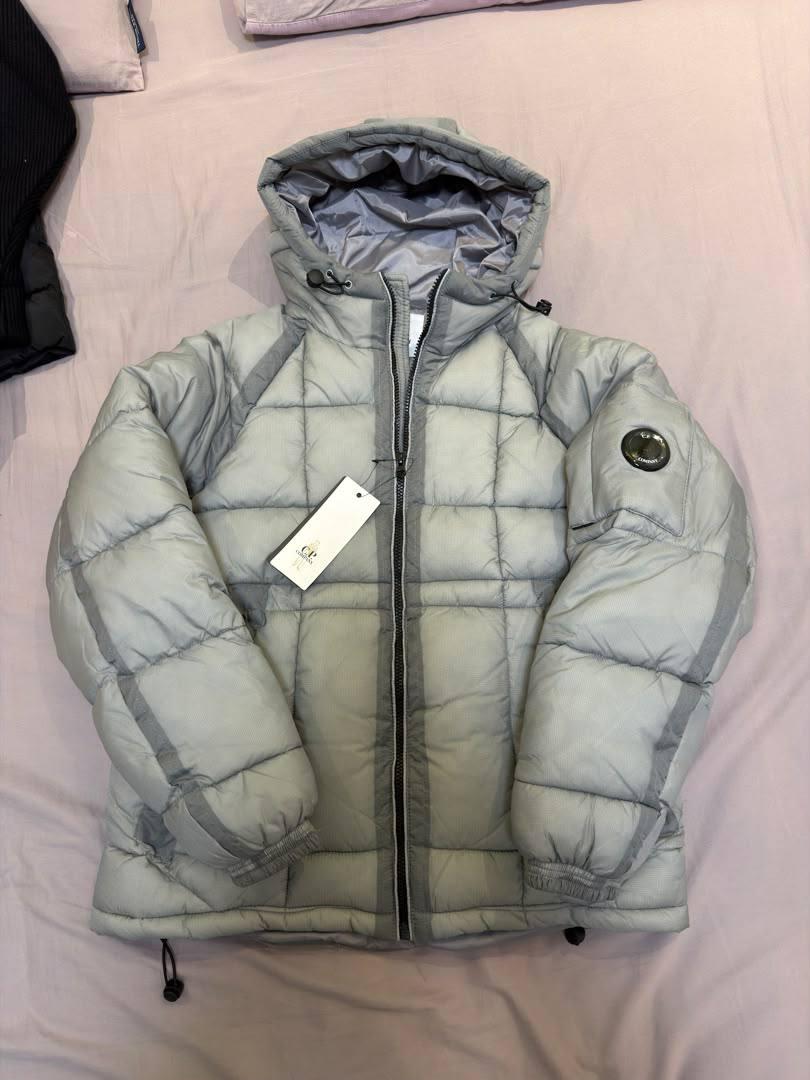
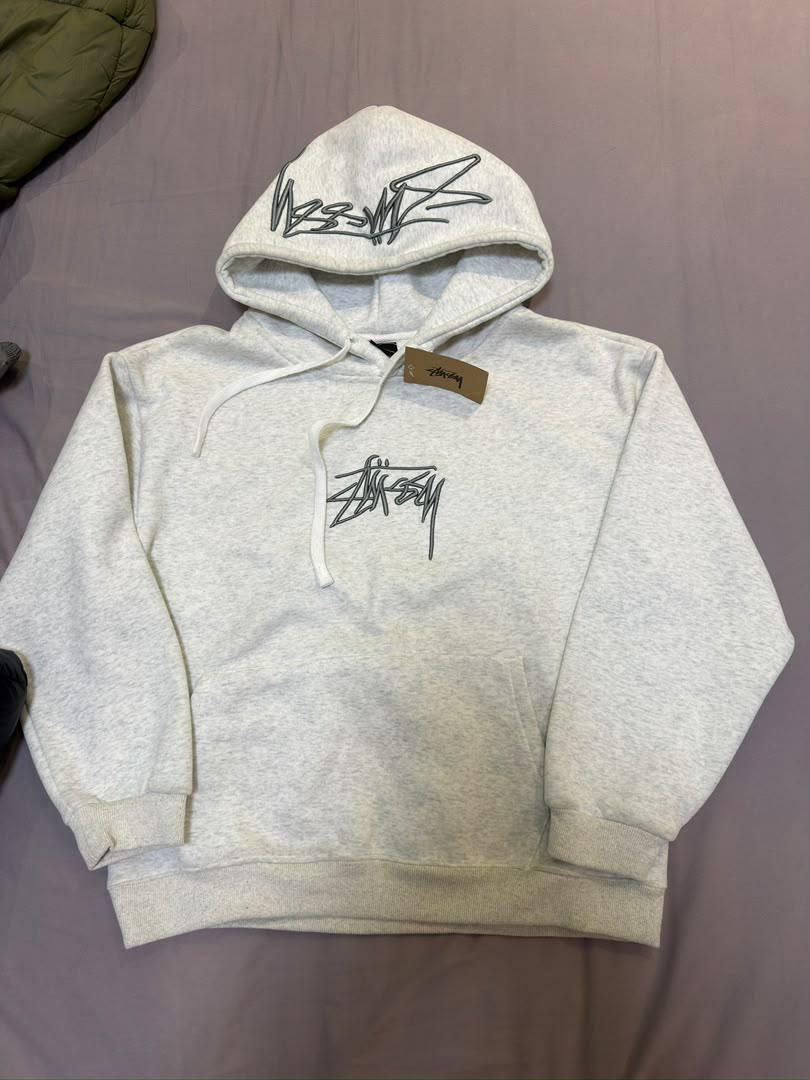
The community gallery is a reference for outerwear shapes and clothing combinations. It does not verify the fill inside any pictured jacket or supply missing test results. The explanations below decode specification language independently of the photo contributor.
01 / CLOTHING NOTES
Fill power and fill weight
Fill power describes the loft produced by a specified amount of down in a test. Fill weight describes the quantity of insulation placed in the garment, usually expressed as a mass. Read the field name before comparing the number. A larger fill-power value is not, by itself, a temperature rating or a complete statement of a jacket’s warmth.
For a deliberately hypothetical label exercise, imagine one specification states 800 fill power and another states 180 grams of fill. These are not competing values on the same scale. The first describes a property of the down; the second describes a quantity. Neither number was taken from a product in this catalog, and no warmth prediction follows from placing them next to each other.
02 / CLOTHING NOTES
Fill material and component descriptions
A fill-material description identifies what is stated to be inside a particular component. A body-fabric composition describes another part of the garment. Keep the subject of each statement visible. A shell percentage does not establish the insulation type, and a fill name does not describe the material of the lining, cuffs or outer fabric.
When a description lists several components, record them separately rather than compressing everything into a single fabric label. Note whether information applies to the exact selected option or to a broader product family. A description copied from a similar-looking retail item is not evidence for the item being offered here. If a component is unspecified, retain that missing field rather than supplying an assumption from its appearance.
03 / CLOTHING NOTES
Fill, garment and parcel weight
Total garment weight includes more than insulation. The shell, lining, fastenings, pockets and trims contribute to the finished item. A shipping parcel adds packaging and may represent another size or configuration. These measurements can all be expressed in grams while describing different objects; sharing a unit does not make them interchangeable.
As another hypothetical reading exercise, a record marked 900 grams is incomplete until its subject is known. It could describe a complete item or a packaged sample, but it should not be treated as 900 grams of fill without an explicit statement. Keep the measurement source and the selected option beside the value. This avoids turning a logistics record into a material specification.
04 / CLOTHING NOTES
Surface treatment and complete shell protection
A water-repellent finish and waterproof garment construction are different claims. A complete shell also involves its fabric, seams and openings. Read the actual wording and any applicable test information rather than interpreting a shiny surface, a technical-looking label or a photograph of droplets as proof of the whole jacket’s protection.
Photographs can help identify visible closures and coverage, while testing and construction specifications answer different questions. Match each claimed property to the evidence supplied for the selected item. An unexplained marketing term should remain a question to clarify; it should not acquire a rating borrowed from another model or brand. For comparisons between complete clothing arrangements, use the down and synthetic jacket comparison.
05 / CLOTHING NOTES
Missing specifications and visible details
A complete record is useful because it keeps both confirmed and missing information visible. Separate the fill specification, component materials, garment measurements, shell information and the date or context of any sample. Photographs may help compare the hood, cuffs, hem coverage and closure arrangement, but they cannot recover an unreported fill quantity or a controlled test result.
Use the jacket spreadsheet to browse the available styles, then return to the current listing for the exact option and its supplied details. The role of this article is to decode the fields, rather than select a universal winner. Keep unresolved questions beside a candidate until the seller or platform supplies information that actually answers them.
Jacket fields and their separate meanings
| Field | What it describes | What it cannot replace |
|---|---|---|
| Fill power | A tested loft property of down | Fill quantity or a temperature rating |
| Fill weight | The quantity of insulation | Total garment weight |
| Component composition | A statement about the named component | The materials of every other component |
| Garment weight | The complete item | A shipping-package measurement |
| Parcel weight | A packaged sample | Insulation type or amount |
| Shell-protection claim | A stated weather-protection property | Unreported test or construction information |
COMMON MISCONCEPTIONS
Three assumptions worth checking
“Two gram values describe the same thing.”
Read the subject of each mass measurement. Fill, a finished garment and a shipping parcel are different objects even when their figures use the same unit.
“A fill-power number supplies the missing fill quantity.”
A property measured on a specified amount of down does not tell you how much fill is inside the complete garment.
“The photograph can complete a missing specification.”
Visible construction can be compared in a photograph; fill quantities, component composition and tested performance need their own information.